Signs it's time to call
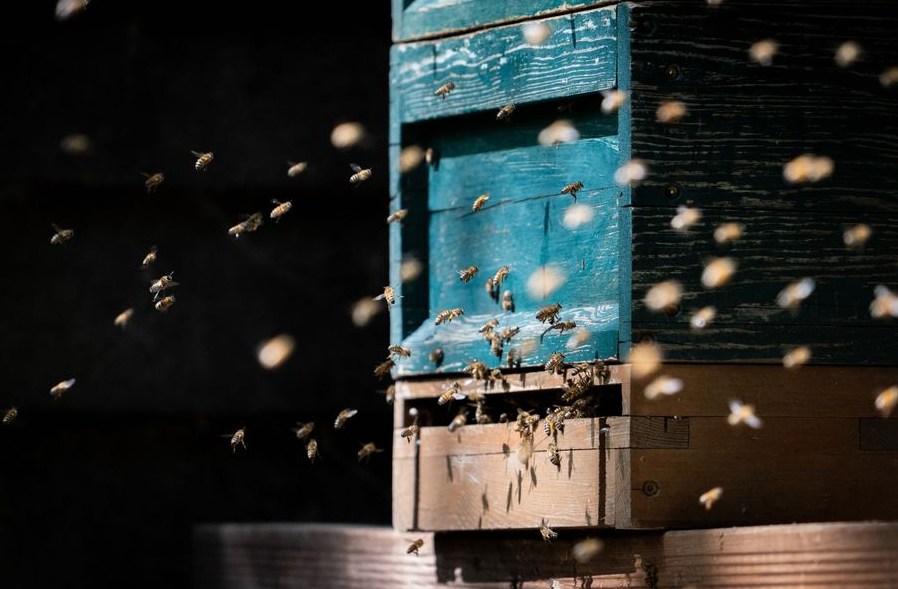
The plainest sign is bees going in and out of the same spot on your house, shed, or a box on the property, day after day. A few bees working flowers are just foraging. A steady line of them disappearing into one gap means a colony has settled in.
Watch after a bad storm, too. Our seasonal storms and heavy rain can let water in and knock things loose, which opens new gaps or disturbs a colony that was already there. If you notice bee traffic after a storm that wasn't there before, call us early rather than waiting for them to move on.
Collecting the bees
When the bees are in a box or hive body, we first secure the entrance so nothing escapes while we work. We keep airflow open the whole time, because a sealed box in our heat can kill the colony we're trying to save.
For bees that aren't contained, like a loose cluster or workers out in the open, we use a bee-removal vacuum with adjustable suction. We turn the suction down so the bees are collected gently, not battered. We wear protective gloves for the whole job.
Getting the hive ready to move
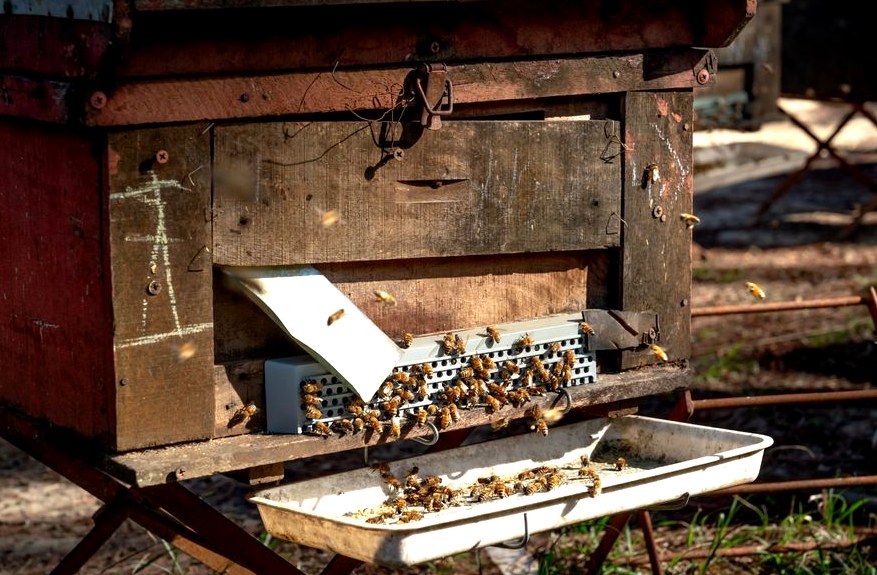
Before anything goes in our vehicle, we strap the hive components together so nothing shifts or separates in transit, and we cover the entrance with screening. We don't rush this step. A strapped, screened hive stays together on the road. A loose one is how bees end up free in your yard or ours.
Getting an estimate
Call us and tell us where the bees are going in and out, whether it's a box, part of a building, or a cluster in the open, and whether a recent storm changed anything. We'll talk through what you're seeing, then confirm the price and timing once we've looked at the job, and the written quote spells out what's included before you agree to anything.
What It Typically Costs
Most jobs land inside these ranges, and we'll go over what pushes a job toward either end.
$400–$1200
$1000–$2500
Other Services We Offer
Straightforward Pricing
Call us with the details you have, no strings.