Signs the bees are inside the wall
The clearest sign is steady traffic at one spot on the outside of the house: a gap at a window frame, around a vent or a light fixture. Bees use that same entrance all day. Inside, people usually notice a hum in a wall or overhead, or bees turning up in the room. Once a colony is inside the structure, spraying the entrance won't clear it. The comb has to come out. The sooner you call, the less comb there is to remove.
Planning the opening
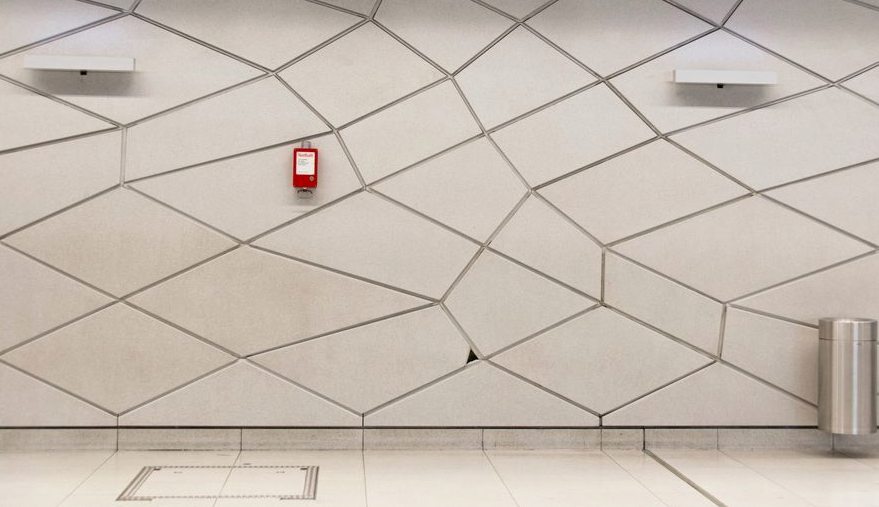
Before we cut, we look at where the bees are getting in and where the colony is likely sitting behind the wall. We place the opening so it reaches the whole colony with the least damage to the room, and we tell you before we start how that section will be closed up. A single-story wall cutout is the most common version of this job. If the colony is in a ceiling or higher up the wall, the plan changes, and we look at it before giving a final price.
We watch the forecast before we open anything. Storms and heavy rain come through here often enough that an open wall risks water getting into the structure or wind damage, so we schedule around the weather and don't leave a wall open when it's coming.
How the work goes
We open the wall at the colony. Bees that come out during the opening are caught with a bee vacuum, not sprayed. Then we cut the exposed comb out of the cavity and vacuum the bees off it as each piece comes free.
We don't just scrape good comb into a bag. Sound pieces get secured into frames with wire or rubber bands. While we work, we put a screen hive-entrance sealer over the entrance so returning bees aren't streaming in and out around us. When the cavity is clear, the wall gets closed back up the way we agreed before we started.
What it costs
A single-story wall cutout runs $300 to $1,200. We can give you that range on the phone, and we confirm the exact number once we've seen the wall. Where a job lands in that range depends mostly on how much comb is in the cavity and how hard the colony is to reach. A colony in a plain single-story wall is at the lower end. A ceiling colony or a hard-to-reach spot costs more, and we price it after we've looked at it.
Getting Started Is Simple
Spelled out, expect steps like these:
- Fill the void with insulation and close or reconstruct the wall, sealing potential entrances.
- Locate the colony within the wall and plan an access opening that allows the structure to be reconstructed.
Other Services We Offer
No-Pressure Quotes
A call is the quickest way to describe it, and you'll get a clear answer.