Honey or comb left in a wall cavity
Why it matters: Comb and honey left after a colony is removed can attract pests, leak, or draw another swarm.
What we inspect: The opened cavity for remaining comb, honey, and propolis.
Local bee removal serving West Palm Beach. Free Quotes, honest scopes, no pressure.
No-Pressure Quotes
A call is the quickest way to describe it, with no pressure either way.
We remove bees and other stinging insects from homes across West Palm Beach. We take the job from the first call through the finished work, and we find out exactly where the insects are getting in and where the nest sits before we pick a removal method.
West Palm Beach is hot, with long cooling seasons (climate zone 2A). Warm weather that lasts that long gives bees plenty of time to scout, settle and build. A few bees at a soffit in the morning can be the front edge of a colony inside the structure.
A colony you can see is usually the easy one. The harder calls are the ones where bees come and go from a small gap and the nest is out of sight. Most of our effort goes into the work that happens before any removal starts.
We start outside, watching the bees and tracing their flight paths. They fly a steady line between the nest and where they forage, and following that line shows us where they actually go in. Then we identify every entrance, not just the obvious one. A missed second opening is how a job gets half done and the bees come back.
When the colony is concealed, we inspect the cavity with a borescope or a thermal camera so we're not cutting into a wall on a guess. What we see there decides the removal method.
The price comes after we inspect the house, since it turns on how many entrances we find, how hard the nest is to reach, and whether the colony sits in the open or hidden in a cavity.
The quote we hand you names each entrance we traced, what the borescope or thermal camera picked up inside the cavity, and the removal method that follows from it. If the work means opening part of the structure, the quote says so plainly.
Treating only the bees visible at an opening on the day someone looks is the shortcut that brings a callback. We trace the flight paths and check every entrance on every job, and we look inside the cavity whenever the colony is hidden, so the removal deals with the whole colony and not just the part in view.
Stay back and keep kids and pets away from the area. Don't try to block, spray or seal the opening yourself.
If you can do it safely from a distance, note where you see activity and what time of day it's heaviest, and take a few photos. Then give us a call, and we'll start with the flight paths and entrances.
No guesswork about what comes next:
One quick call is usually enough to tell us what the job is and what it involves.
Someone comes out to see the job, then confirm exactly what the job involves.
The scope and the price come to you in writing before you agree to anything.
Put simply, the work usually includes:
We check before we recommend anything; here's what that looks like.
Why it matters: Comb and honey left after a colony is removed can attract pests, leak, or draw another swarm.
What we inspect: The opened cavity for remaining comb, honey, and propolis.
Why it matters: A swarm may settle temporarily while scout bees search for a nesting site.
What we inspect: Whether it is a loose cluster or a built nest.
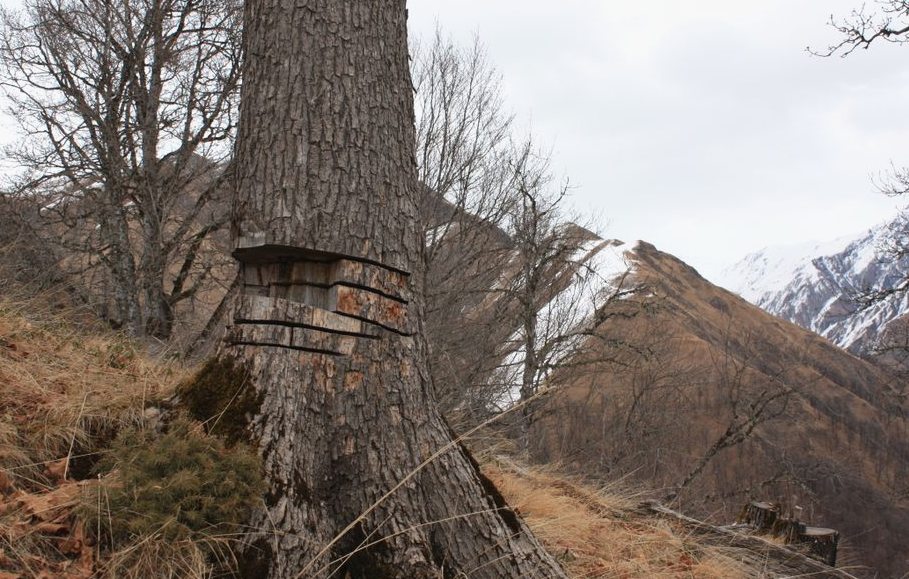
Why it matters: Repeated traffic through an opening can indicate a colony nesting inside the wall cavity.
What we inspect: Flight path, entrance points, and cavity location.
Browse by service to see the kind of result each one involves.

Crews serve West Palm Beach, FL. Call (561) 785-1839 to check that we cover your street.
Here's how we'd decide between them for your job.
No-Pressure Quotes
Call (561) 785-1839 and describe the job, and you decide what happens next.
