How they get into a chimney
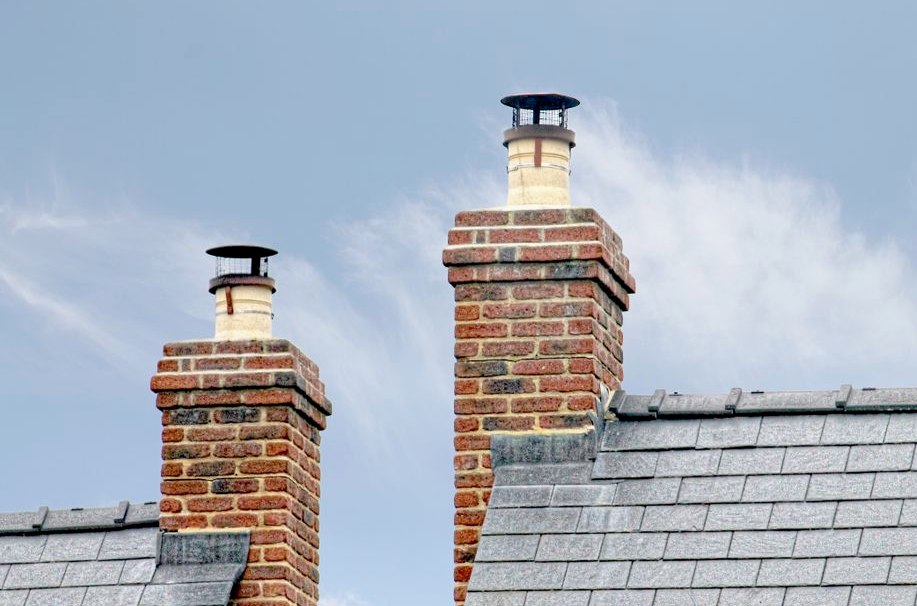
A chimney colony almost always comes in from the top or through the seams around it. The usual entry points are the cap, the damper housing, and the flashing where the chimney meets the roof. If you see bees working one of those spots, the colony is most likely in the chimney itself and not in a wall. That changes how we reach it.
In West Palm Beach, the seasonal storms and heavy rain are hard on chimney tops. A cracked or loose cap and lifted flashing let water in, and wind can do more damage to a cap that's already weak. A gap that lets rain in will also let bees in, so we deal with both at the same time.
How we do the work
We start at the top. We take off the chimney cap or open the access panel and look down the flue. Then we bring in the smoker to calm the colony before we start removing anything.
We reach the colony through the flue or through the firebox, whichever gives better access to where it's sitting. The bees and the comb both come out.
Once the chimney is clear, we repair and seal the entry they used. Depending on what we find, that could be the cap, the damper housing or the flashing. Last, we screen the chimney top. That screen keeps the next colony from moving in.
What it costs
Chimney colony removal typically runs $200 to $1,500. That covers getting into the flue or firebox, removing the colony and comb, and screening the top. Tell us on the call where you're seeing the bees and we'll say where in that $200 to $1,500 spread your chimney is likely to sit. The firm figure comes after we've been up on the roof and looked down the flue.
The price comes down to two things: how hard the colony is to reach, and how much repair the entry needs. If the colony is easy to get to and the cap, damper housing and flashing only need the one opening sealed, the job lands at the lower end. If access is difficult or the cap or flashing needs real repair, it moves toward the top of the range. If the cap or flashing turns out to be in worse shape once it's off, you hear about it and what it adds before any of that repair starts.
What to Expect
Concretely, here's what's involved:
- Use a smoker to slow the bees’ defensive response, collect them with a bee vacuum, and transfer them to a transport cage.
- Remove honeycomb from the flue using scrapers, racks, and buckets.
Other Services We Offer
Fast Scheduling
Talk it through with us at (561) 785-1839, and there's no obligation.